

Building A Home
a space far beyond the four walls

Hey, how's it going? Happy Black History and Love Month! During this beautifully black and luxurious month of love, we are talking about 'building a home.' And no, I do not mean exploring the construction world to build a home physically. I mean taking the usual cookie-cutter rectangular box, floor-to-ceiling windows with little to no ornamental detail, and infusing the space with character, mood, and a unique vibe that gives our home and neighborhood value and appeal.
Lately, I've been on this kick of restoration and legacy. What does it look like to restore your home, neighborhood, community, and city? Do you rebuild everything as it was in the past? Do you take time to see what worked and what could be improved? What does it look like to take yourself out of the equation and build from a community perspective? A perspective that allows everyone a fighting chance to thrive.
And what about legacy? What does that look like?
For me, legacy looks like generational wealth, positive community impact, very large and green estates.


So how does one go from this:
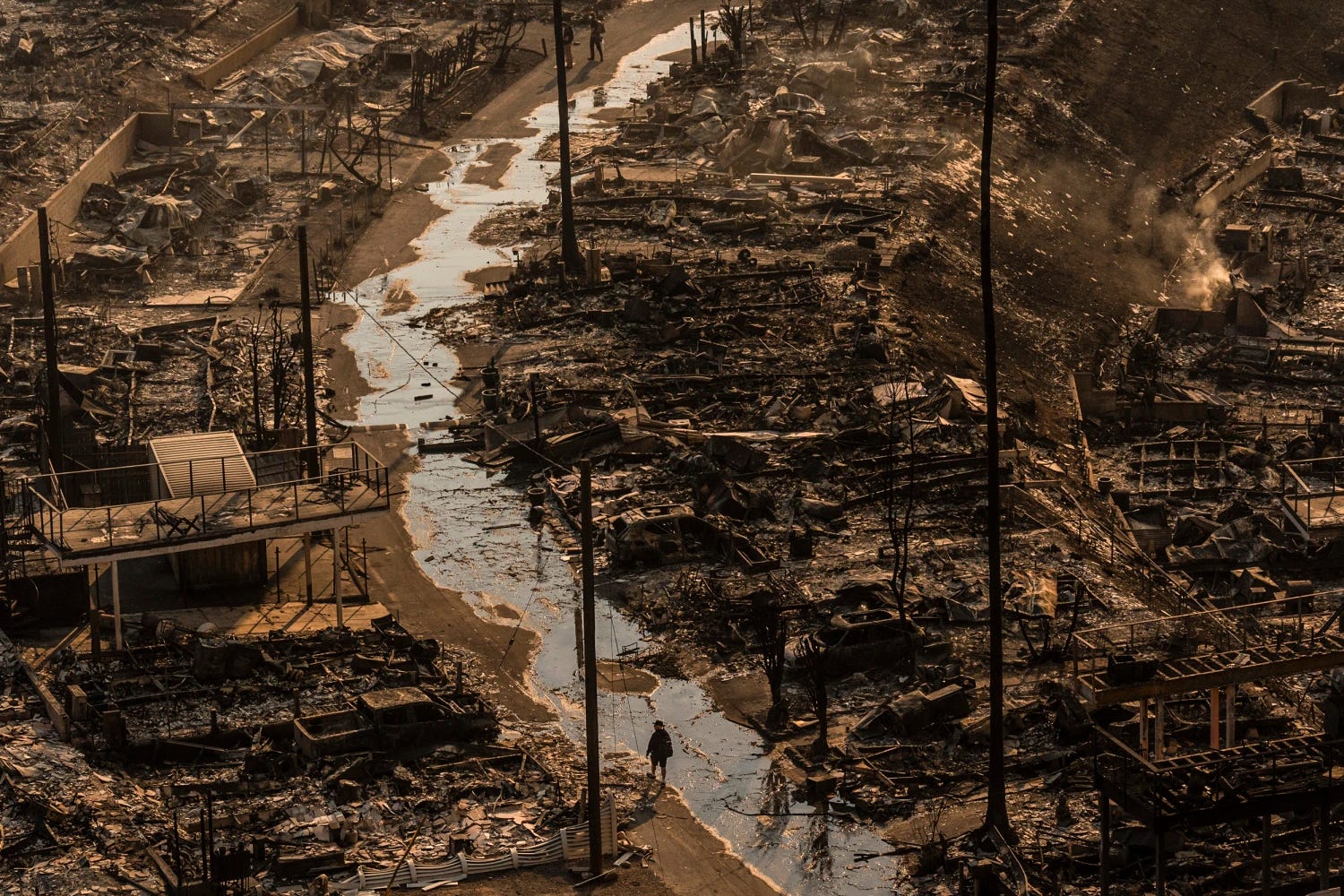
to this:
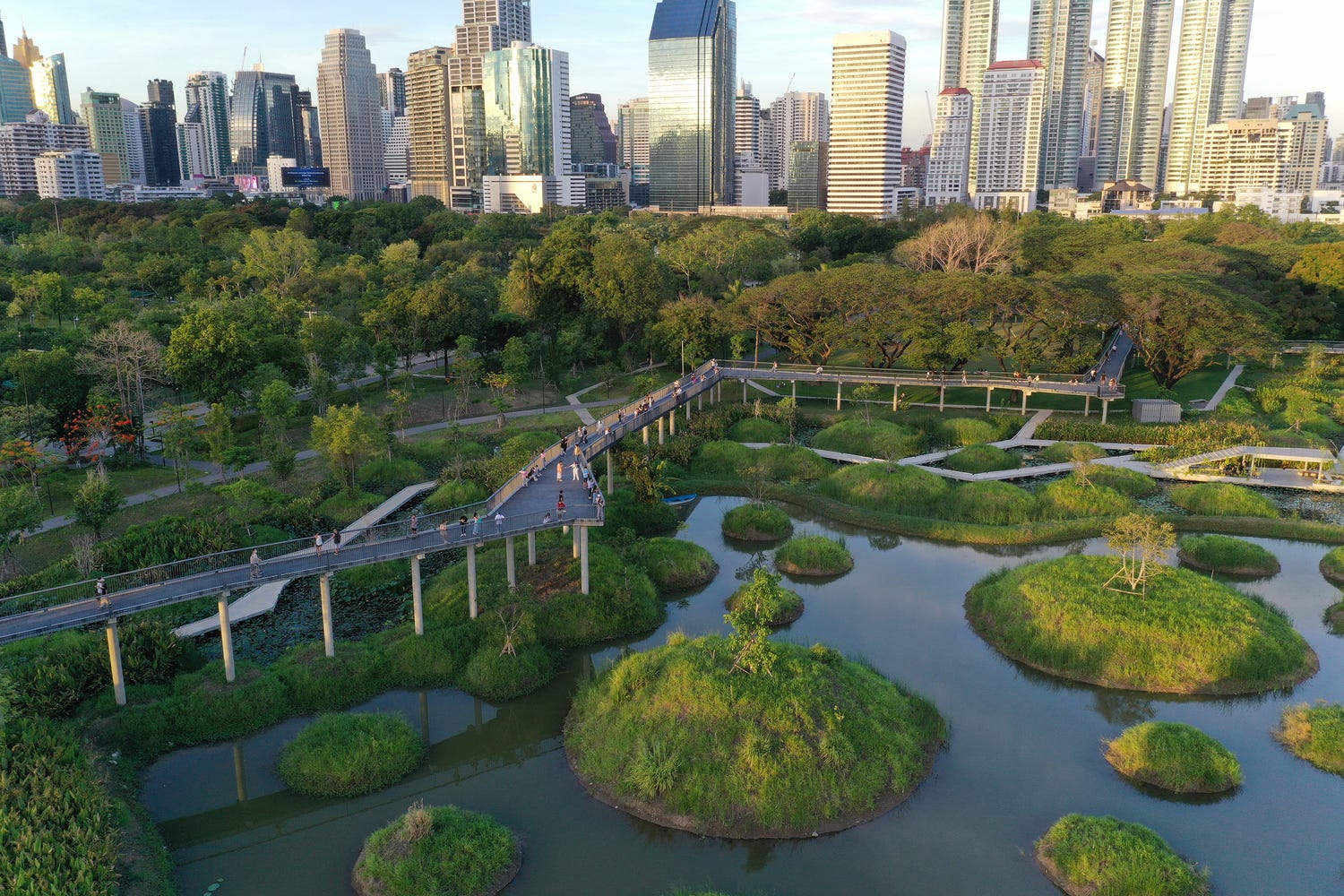
And what incentivizes a city to rebuild with the landscape taking the lead, while the built environment is the second consideration?
The Benjakitti Forest Park pictured above was designed by renowned Landscape Architect Kongjian Yu, who is well known for his concept ‘Sponge Cities’.
Kongjian Yu has gained international recognition for his concept of “sponge cities,” a measure to address and prevent urban flooding in the context of accelerated climate change. The concept was adopted as a national policy in China in 2013, prioritizing large-scale nature-based infrastructures such as wetlands, greenways, parks, canopy tree and woodland protection, rain gardens, green roofs, permeable pavements, and bioswales.
When I first came across Yu’s work, I was immediately intrigued at how he was able to persuade multiple cities to buy into this concept. His work is phenomenal, and extremely effective in marrying nature with the built environment. I was so impressed that I was inspired to do a mini design sprint on what Los Angeles, CA would look like if the city took nature as seriously as Yu has.

Now imagine, if our city invited this type of design into the downtown infrastructure. What kind of influence do you believe it would have in our neighborhoods?
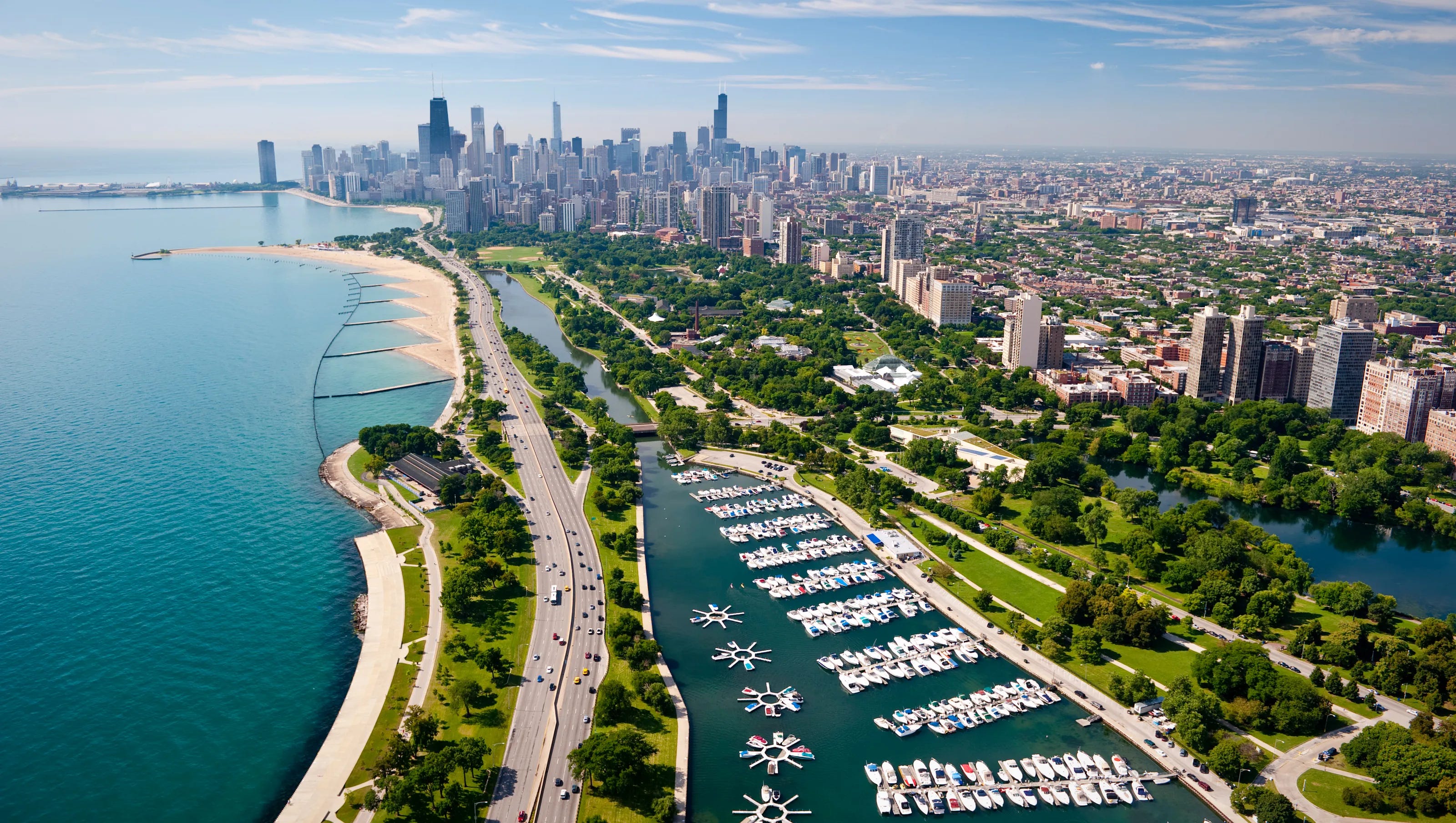
Cities like Chicago, IL have a pretty good grasp on this concept.
Recently I stumbled upon a landscape designer whose work is just as outstanding as Yu’s. She spoke about the quality and necessity of forgoing the manicured green lawns and replacing it with natural vegetation. Landscaping your home lawns with natural plants and trees reduces the need to meticulously mow your lawn, the need for pesticide mediation, and excessive watering; she highlighted the benefits of having a self-sustaining eco-system right outside your home as something incredibly practical.
And when your yard looks like this…


… within a neighborhood with other homes looking similar, one may associate this area with legacy, wealth, and vitality.
Our homes are much more than the interior and exterior. Our neighborhoods, communities, and cities are our homes as well. These spaces are the very things that sustain our livelihoods.
When building your home, you build on a foundation, ideally one that can weather storms and tribulations. Our homes today are sticks and stones slapped together with the inability to weather storms. What if - during this point of tension and need for restoration - we do something different? We skip the shortcuts, take our time, and create homes, neighborhoods, communities, and cities with the intention of it being passed down to the generations after us.
How healthy is our community, the walkability, the greenery, and the opportunity to grow and thrive in collaboration with my neighbors. What does a healthy community even look like? Personally, I believe it looks like small businesses thriving in a downtown space, local grocery stores and farmer markets that I can walk to, bike-able paths that are safe to ride, little to no car traffic close by my home, an abundance of green space that is not polluted with trash, and definitely not the rows and rows of matchstick houses with their manicured lawns.
If January taught us nothing else, we learned that the lack of biodiversity in our communities is a sure way for a wildfire to aggressively spread and burn down an entire community in a matter of days.
Our greatest achievement would be shifting our baselines from individualistic success to community success - and before you roll your eyes and let out a deep sigh because this is leaning too heavily into the "woo woo," let me explain. Living in Los Angeles (LA), a telltale sign of gentrification and a dose of 'look at me' syndrome is driving down a street in a quintessential neighborhood and seeing a double-story matchstick house towering over all of the other region-specific styled homes.
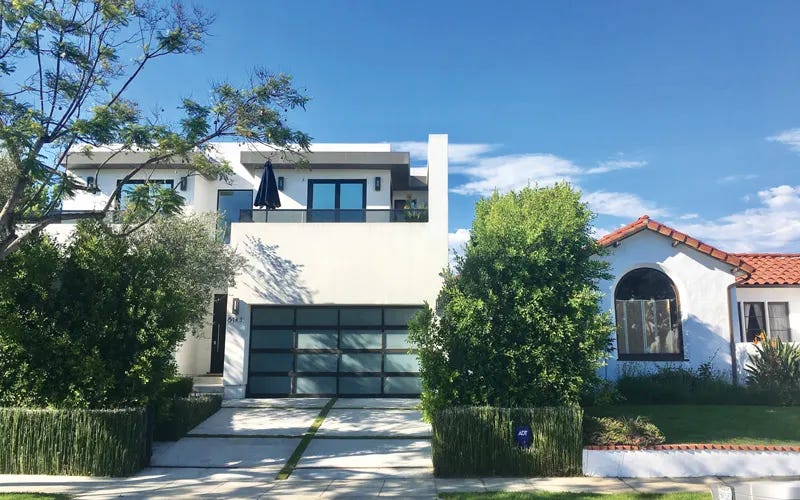
It's a jarring experience to live through, much less to try and explain to someone visiting. Yet visually, these matchstick homes are reminders of the contrived nature we have been subscribing to for generations.
The hidden agenda in commercializing the suburbs has always been manufactured. It is America's very own Pleasantville on a mass scale.
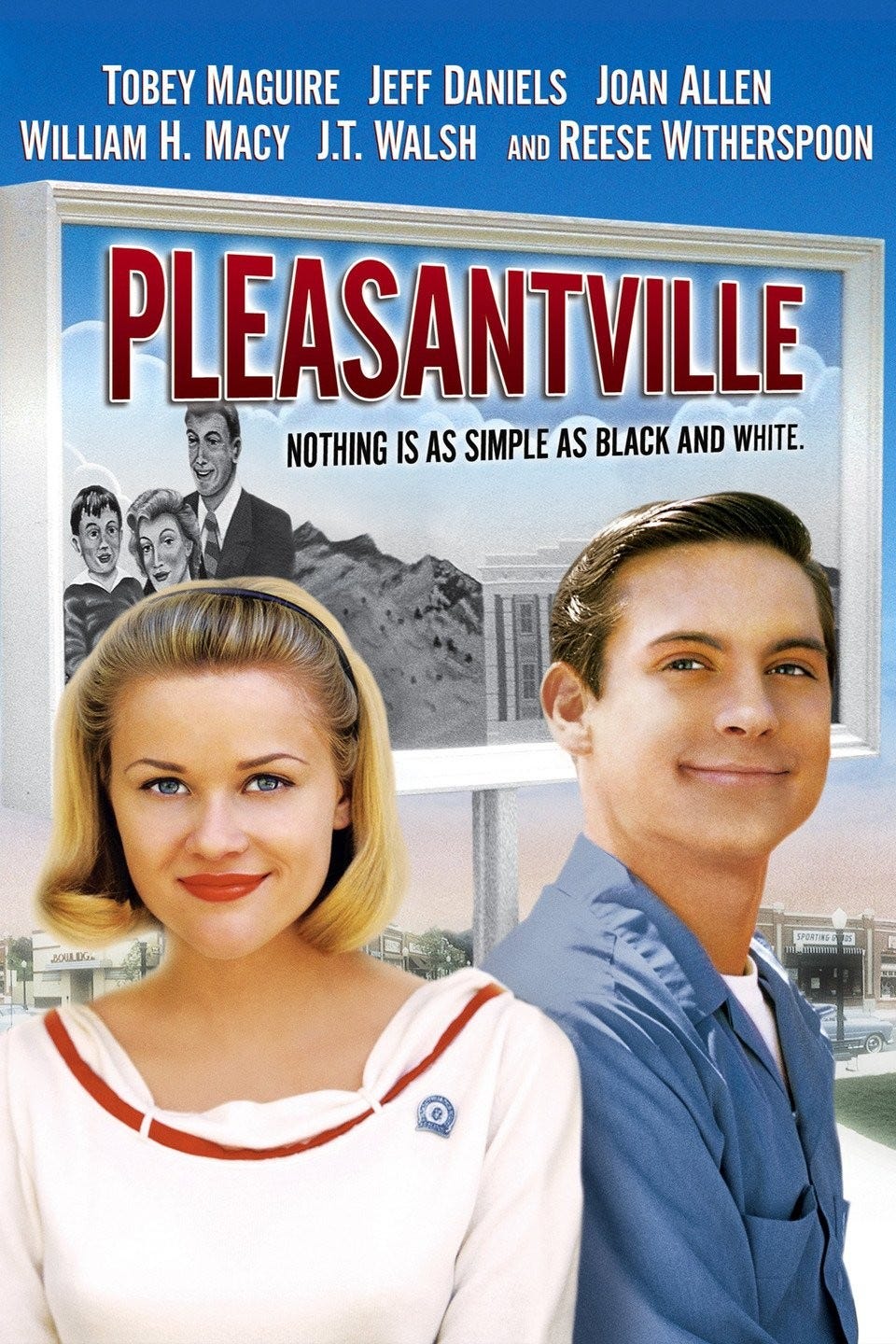
Which is why it's essential to know why things are the way they are. A good home is only as good as the location it is in. So, let's start with a little history lesson.
History has a way of repeating itself, and I sincerely hope this generation (me - millennials) will put an end to the dull-ification of our neighborhoods and communities. The manicured lawns and manufactured homes became popular with the development of the suburbs. Life away from the city became the allure of the true 'American Dream'. What was actually happening was classism, capitalism, and industrialism. Social classes were shifting due to minorities gaining more access to society, women were taking on more roles outside the home, and an industrial boom with the evolution of technology and manufacturing created a buzzing economy. The idea of a neatly maintained neighborhood and community became the pinnacle of success.
Amid this transition, the erasure of individuality became normalized while commercialization reached its long, slimy tentacles into the fabric of society; every aspect of our lives became an opportunity to make a coin off of convenience.
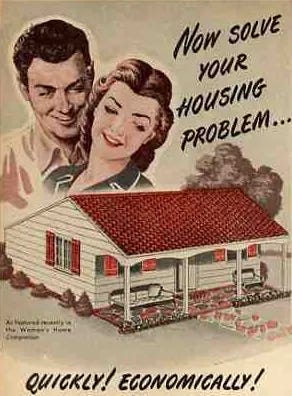
Through the years of carrying on with this 'American Dream', we have unavoidably created one of the worst environmental and psychological crises in human history, and this is not unique to America; it's a global issue. Somehow, someway the powers to be have succinctly carried all of humanity towards the same doom. Which is another story for another day, but for the purposes of this conversation. Let's say that when things started taking a turn for the worse (government, technological, and corporate policies overriding community initiatives, needs, and wants), rather than collectively fighting it, we hoped the drama would work itself out, while keeping ownership of the convenience it brought.
As the years progressed, the American Dream shifted. The suburbs and city living have become more intertwined, transportation became king in city developments, and the tendency to rely on landscaping solely as an accessory rather than a necessity created a band-aid solution for an ever-growing environmental and psychological crisis.
I keep mentioning a psychological crisis because our environment dictates a large portion of our health. Collectively, humans are not spending enough time outside, indoor and outdoor public spaces are quickly being replaced with commercial spaces, and the active human presence of people coexisting on sidewalks, plazas, and outdoor eateries is the mark of an active and healthy community; a mark that has faded aggressively in the last decade.
So, if you take the manufactured neighborhoods placed within the manufactured communities, we, collectively, all live in a manufactured city with no personality and a whole heap of manufactured problems.
As we are all facing the same doom of extreme natural occurrences (record flooding, record wildfires, record heatwaves, record snow levels, the exorbitant price of eggs, our kids being under-socialized, etc.) collective action is needed. While global change is absolutely too big for this conversation, community change is not.
Community change begins with supporting the local garden nursery down the street, hiring your neighbor's landscaping business, plugging into the resources we still have access to (hello, public libraries), and attending those city planning meetings to have a say in what your day-to-day life will look like. It's the intent of moving into neighborhoods to stay rather than viewing it as a building block.
Learn what planting zone you live in, then resist the suburbian urge to buy the manicured lawn starter pack for this spring's lawn revival. Turn your home into a biodiverse yard that will reduce the heat island effect around your home, while sitting back to witness how capable nature is, in taking care of itself (pack up the lawn mover; you're not going to need it). And lastly, advocate for walkable-outdoor community spaces that will cultivate community pop-ups, barbecues, and family gatherings; get to know the people in your community.
These small and intentional moves will bring a plethora of benefits to you and the community. Benefits like cooler summers, reduced heatwaves and flooding, outdoor spaces becoming more useful for communal activities, and your neighborhood streets becoming more attractive (increased property value).
As we begin the restoration process, so many of our communities need. This idea to challenge what restoration and legacy could look like is not a deconstruction of the American Dream but a revision. A revision to alleviate yourself from maintaining an unrealistic standard of living. An opportunity to build your home with legacy in mind.
This is a prompt to deeply consider what restoration and legacy could look like for your home, neighborhood, and community.